peptides
Peptide Therapy for Anti-Aging: What the Science Actually Supports in 2026
August 14, 2026
Affiliate disclosure: some links on this page are affiliate links and may earn us a commission at no extra cost to you — it never affects our rankings or reviews.
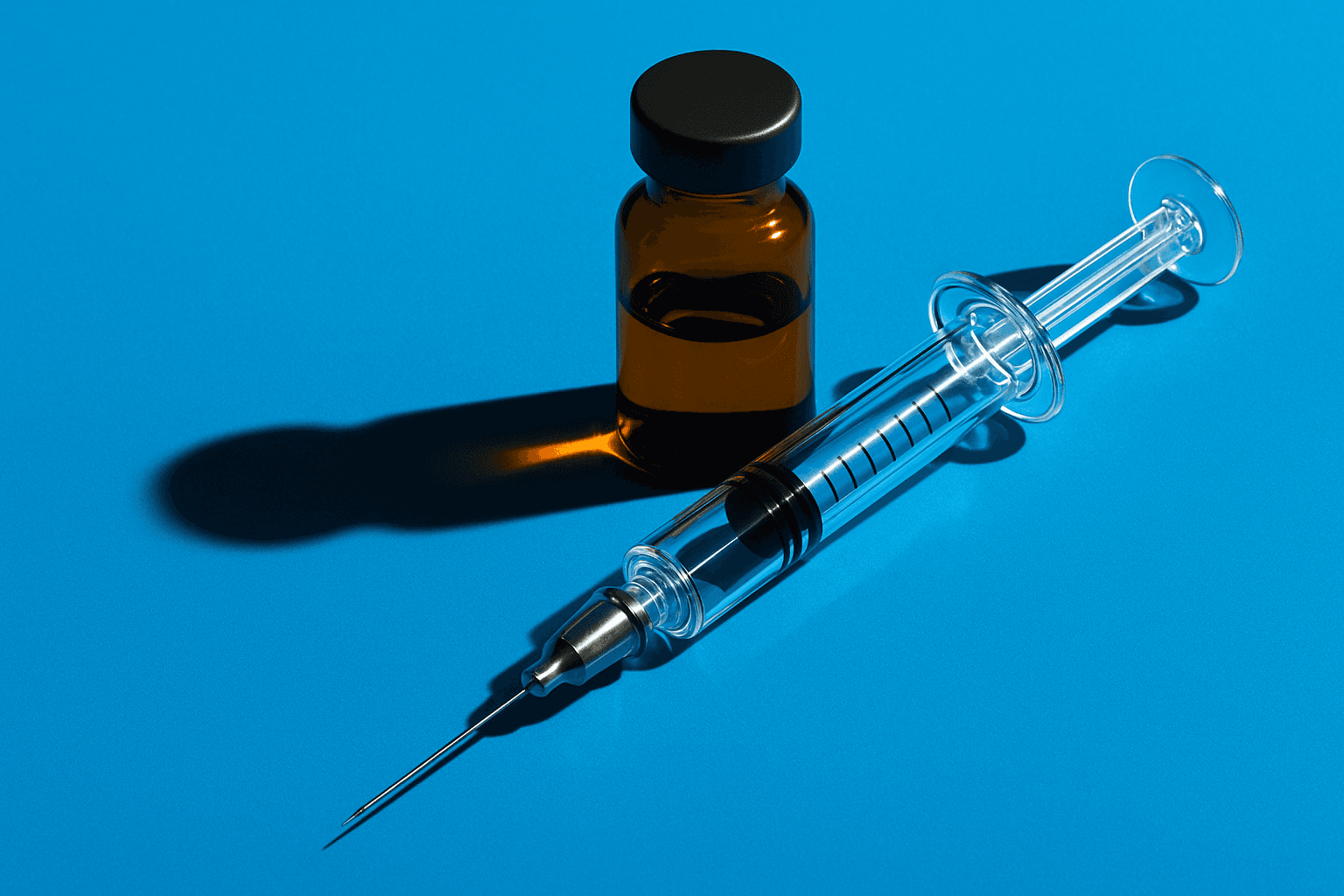
The Peptide Playbook for Anti-Aging: What the Science Actually Supports
You're 47, your recovery from workouts has slowed, sleep quality has dropped, and your last bloodwork showed IGF-1 sitting at 98 ng/mL — technically within the broad "normal" reference range of 75–310 ng/mL but closer to the floor than where it was a decade ago. Your doctor says everything looks fine. The longevity clinic down the street is suggesting a $400-a-month peptide protocol. You're trying to figure out who's right.
That tension — between conventional medicine's wide reference windows and the functional medicine world's narrower optimization targets — is where most peptide anti-aging conversations begin.
What the Anti-Aging Peptide Category Actually Covers
The peptide space for longevity splits into two functional categories: growth hormone secretagogues (GHS), which stimulate the pituitary to release more GH, and repair/signaling peptides that act on inflammation, tissue remodeling, or cellular pathways. These are not interchangeable, and the evidence behind each category varies considerably.
Growth hormone secretagogues include compounds like sermorelin, CJC-1295, and ipamorelin. Repair-class peptides include BPC-157, TB-500, and epithalon. The clinical evidence base behind GHS peptides is more developed — sermorelin has been studied since the 1980s and carries FDA approval history in children with GH deficiency. BPC-157 data, by contrast, is overwhelmingly rodent-based as of mid-2026, a gap that matters when evaluating cost versus evidence.
Growth Hormone Secretagogues: The Numbers Behind the Claims
CJC-1295 combined with ipamorelin is among the most commonly prescribed GHS protocols in US longevity clinics. A standard dosing structure is 300 mcg of CJC-1295 with 300 mcg of ipamorelin, administered subcutaneously five days per week at bedtime to align with the body's natural GH pulse.
The clinical rationale pulls from a 2006 study by Teichman et al. published in the Journal of Clinical Endocrinology & Metabolism, which found that CJC-1295 produced dose-dependent increases in mean GH concentrations by 2- to 10-fold and sustained IGF-1 elevations for up to 28 days after a single dose in healthy adults — a meaningful finding given that most GH-release stimuli produce only transient spikes.
What clinics often don't emphasize: IGF-1 elevation is a proxy marker, not a clinical endpoint. No large randomized controlled trials have demonstrated that peptide-driven IGF-1 increases in healthy middle-aged adults reduce all-cause mortality, cardiovascular events, or biological aging markers. Anyone pricing protocols at $350–$600 per month should say so plainly.
Sermorelin's Quieter Case for Itself
Sermorelin is typically positioned as the conservative entry point in GHS protocols because its shorter half-life — roughly 10–20 minutes — produces a more physiological GH pulse rather than prolonged elevation. Typical clinical dosing runs 200–500 mcg subcutaneously at night.
For patients in their 40s and 50s whose primary complaints are sleep disruption, slow soft-tissue recovery, and reduced lean mass, sermorelin protocols have accumulated real-world use data at functional medicine clinics. Response takes 3–6 months to become measurable in IGF-1 levels and body composition shifts, which makes compliance and realistic expectation-setting part of the clinical challenge.
Monthly costs for sermorelin through US telehealth platforms in 2026 typically run $150–$250, making it one of the more accessible entry points in the online peptide programs market.
BPC-157: Honest Assessment of the Evidence Gap
BPC-157 has attracted interest in the longevity and sports medicine communities for its apparent role in accelerating tissue repair — tendon, ligament, gut lining, and potentially neurological tissue in animal models. Nearly all published mechanistic research involves rodents. There are no completed Phase II or Phase III human clinical trials as of August 2026.
That hasn't stopped clinics from prescribing it at doses typically ranging from 200–500 mcg daily, either subcutaneously or orally, though oral bioavailability remains debated. The FDA placed BPC-157 in a regulatory grey zone — the agency's 2023 guidance restricting certain peptides from bulk compounding created a compliance patchwork across US telehealth providers.
For UK-based patients, the regulatory environment differs, and the BPC-157 clinics in the UK landscape operates under MHRA oversight with its own prescribing norms. UK patients comparing options should use location-specific directories rather than US telehealth platforms, which cannot legally serve them.
Where to Start If You're Evaluating a Protocol
The defensible entry point is baseline bloodwork: IGF-1, GH (stimulated, if warranted), fasting insulin, CRP, and a full metabolic panel. Without those numbers, any peptide prescription is directionally blind.
From there, the GHS category — specifically sermorelin or a CJC-1295/ipamorelin combination — has the strongest clinical rationale for patients with documented low-normal IGF-1 and relevant symptoms. Platforms like System Labs and Yucca Health offer structured telehealth protocols that include physician oversight and lab monitoring, which distinguishes them from the no-consultation gray market that still exists in this space.
BPC-157 is a reasonable consideration for specific injury or gut-repair contexts, but should be framed as exploratory given the human evidence base — not as a core anti-aging stack.
The Specific Takeaway
The peptides with the most credible anti-aging rationale are the GHS compounds, particularly sermorelin and CJC-1295/ipamorelin combinations, backed by measurable IGF-1 response data from the Teichman et al. trial and decades of clinical use. BPC-157 has mechanistic appeal but carries no completed human trial evidence at the level its current clinical adoption suggests. A credible anti-aging peptide protocol names what the numbers show — a 2- to 10-fold GH increase and sustained IGF-1 elevation with CJC-1295 — and is equally explicit that those numbers have not yet been linked to hard longevity endpoints in RCTs.
Peptide Clinic Finder is a comparison platform. The author may receive compensation if you sign up through links on our partner pages.