peptides
Peptide Therapy and Hormone Optimization for Women Over 40: What the Protocols Actually Look Like
July 22, 2026
Affiliate disclosure: some links on this page are affiliate links and may earn us a commission at no extra cost to you — it never affects our rankings or reviews.
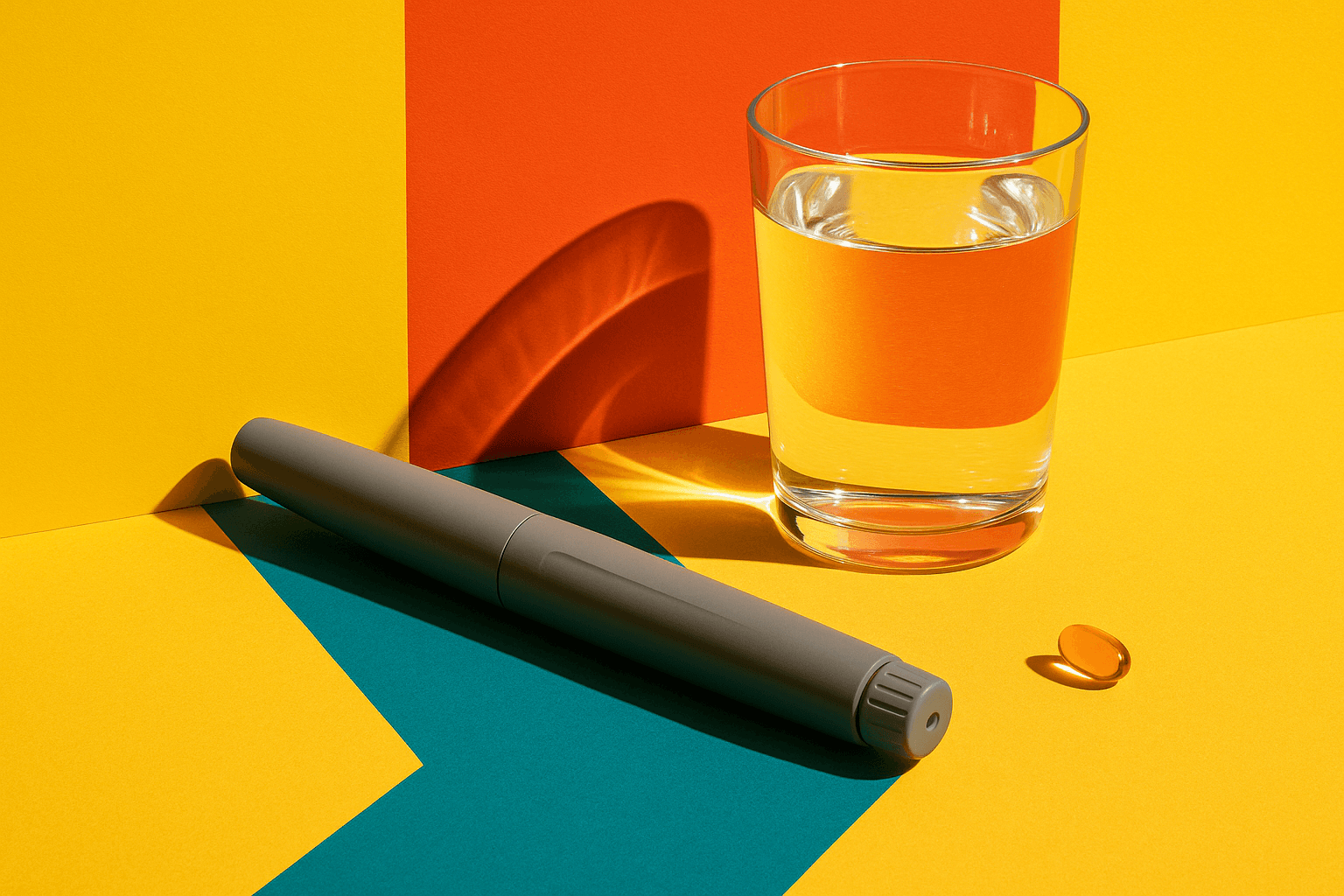
What Peptide Therapy Actually Does for Women's Hormones After 40
You're sleeping seven hours but waking up exhausted. Your weight is shifting toward your midsection despite the same diet you've had for a decade. Your libido has flatlined and your recovery from exercise takes noticeably longer than it did two years ago. You've had labs done and your doctor told you everything is "within normal range." That phrase does a lot of heavy lifting — normal range for whom, exactly?
This is where a growing number of women in their 40s and 50s are turning to peptide-based hormone optimization protocols. Not as a replacement for conventional medicine, but as a layer of precision that standard care rarely offers.
What's Actually Declining — and Why the Numbers Matter
The endocrine shift that begins in perimenopause is well-documented. Estradiol levels that typically run between 30 and 400 pg/mL during reproductive years can crater below 20 pg/mL during menopause. That's obvious. Less discussed is the parallel decline in growth hormone (GH) pulsatility, which drops at roughly 14% per decade from the mid-20s onward regardless of menopause status, according to research published by Veldhuis et al. Growth hormone-releasing hormone (GHRH) — the upstream signal that drives GH pulses — becomes blunted, and this affects body composition, sleep architecture, skin thickness, and metabolic rate in ways that don't show up on a standard thyroid or estrogen panel.
This is the biological opening that peptide protocols target.
The Peptides Women Are Actually Using
Sermorelin is the entry point for most women new to peptide therapy. It's a GHRH analogue that stimulates the pituitary to produce its own GH rather than replacing GH exogenously. Typical dosing runs 200–500 mcg injected subcutaneously before sleep, timed to coincide with the natural overnight GH pulse. The advantage over synthetic HGH is that the pituitary retains its own feedback control, so the risk of supraphysiologic GH levels is substantially lower.
CJC-1295 is often paired with sermorelin or ipamorelin for a more sustained GH release pattern. CJC-1295 with DAC (drug affinity complex) has a half-life of approximately 6–8 days, making once- or twice-weekly dosing clinically feasible. Most protocols for women use the DAC-free version at 100–300 mcg per injection, two to three times weekly, to preserve a more natural pulse pattern rather than a flat, elevated baseline.
BPC-157 sits in a different category — it's a synthetic pentadecapeptide derived from a protective gastric protein, studied primarily for tissue repair and gut integrity rather than hormonal optimization directly. Women dealing with joint pain, chronic tendon issues, or compromised gut lining from years of stress or NSAID use often add BPC-157 at 250–500 mcg daily, either subcutaneously near the injury site or orally for gut-specific effects. The mechanistic research is compelling; large-scale human RCT data does not yet exist, which matters when setting expectations.
Where Peptides Sit Within a Full Female Optimization Stack
Peptides rarely do their best work in isolation. For women in perimenopause or menopause, GHRH analogues work substantially better when estrogen is at functional levels — estrogen is required for GH receptor sensitivity in peripheral tissue. Running sermorelin while leaving estradiol at 15 pg/mL is like pushing the accelerator with the parking brake on.
A functional protocol typically layers peptides over a base of hormone therapy — bioidentical estradiol, progesterone, or low-dose testosterone for women who also have androgen deficiency. Some women add a GLP-1 receptor agonist as a metabolic anchor to address insulin resistance before optimizing GH signalling, since elevated fasting insulin blunts GH pulses directly. The sequencing matters: getting metabolic markers in order first typically amplifies peptide response.
For women who want to explore what structured programs currently look like, online peptide programs vary considerably in how much hormonal context they incorporate. A program that tests IGF-1 levels — the downstream marker of GH activity, reference range roughly 100–300 ng/mL for women aged 40–60 — before and after intervention is operating at a different standard than one that skips labs entirely.
What Clinics Are Charging in 2026
Pricing has stratified. A sermorelin-only protocol through a telehealth provider typically runs $150–$250 per month for compounded injectable medication and prescriber oversight. Full stacks — CJC-1295/ipamorelin combination plus monthly labs including IGF-1, fasting insulin, estradiol, and testosterone — run $350–$600 per month depending on the provider. Programs like System Labs and Yucca Health sit in the mid-range and include more integrated lab monitoring than entry-tier telehealth offerings.
One practical checkpoint: compounding pharmacy quality matters substantially. The FDA flagged sterility issues at multiple compounding facilities between 2023 and 2025, and 503A versus 503B designation reflects meaningfully different manufacturing oversight standards. Any provider that doesn't disclose which compounding pharmacy they use should be asked directly.
What to Actually Measure
The test that separates serious peptide programs from marketing-forward ones is the IGF-1 baseline and 90-day follow-up. GH is pulsatile and can't be reliably captured on a single blood draw; IGF-1 is the stable downstream marker. A baseline IGF-1 below 100 ng/mL in a 45-year-old woman is a strong signal for GHRH-based intervention. A follow-up draw at 90 days that shows no movement means the dose, timing, or delivery method needs revision.
Secondary markers worth tracking: fasting insulin (target below 8 µIU/mL), DHEA-S, and sleep-stage data if a wearable is available. Deep sleep percentage is a practical proxy for GH pulse quality that doesn't require a lab.
Women who see the most consistent results combine peptide therapy with estrogen optimization and metabolic baseline work — not one or the other. A sermorelin protocol in a woman with untreated insulin resistance and estradiol at 12 pg/mL is unlikely to move the needle. The same protocol in an optimized hormonal environment routinely produces measurable IGF-1 increases within 60–90 days. The biology is tractable; the sequencing is everything.
Peptide Clinic Finder is a comparison platform. The author may receive compensation if you sign up through links on our partner pages.