peptides
Peptide Doctor Near Me: What Your Search Results Are Actually Showing You in 2026
June 2, 2026
Affiliate disclosure: some links on this page are affiliate links and may earn us a commission at no extra cost to you — it never affects our rankings or reviews.
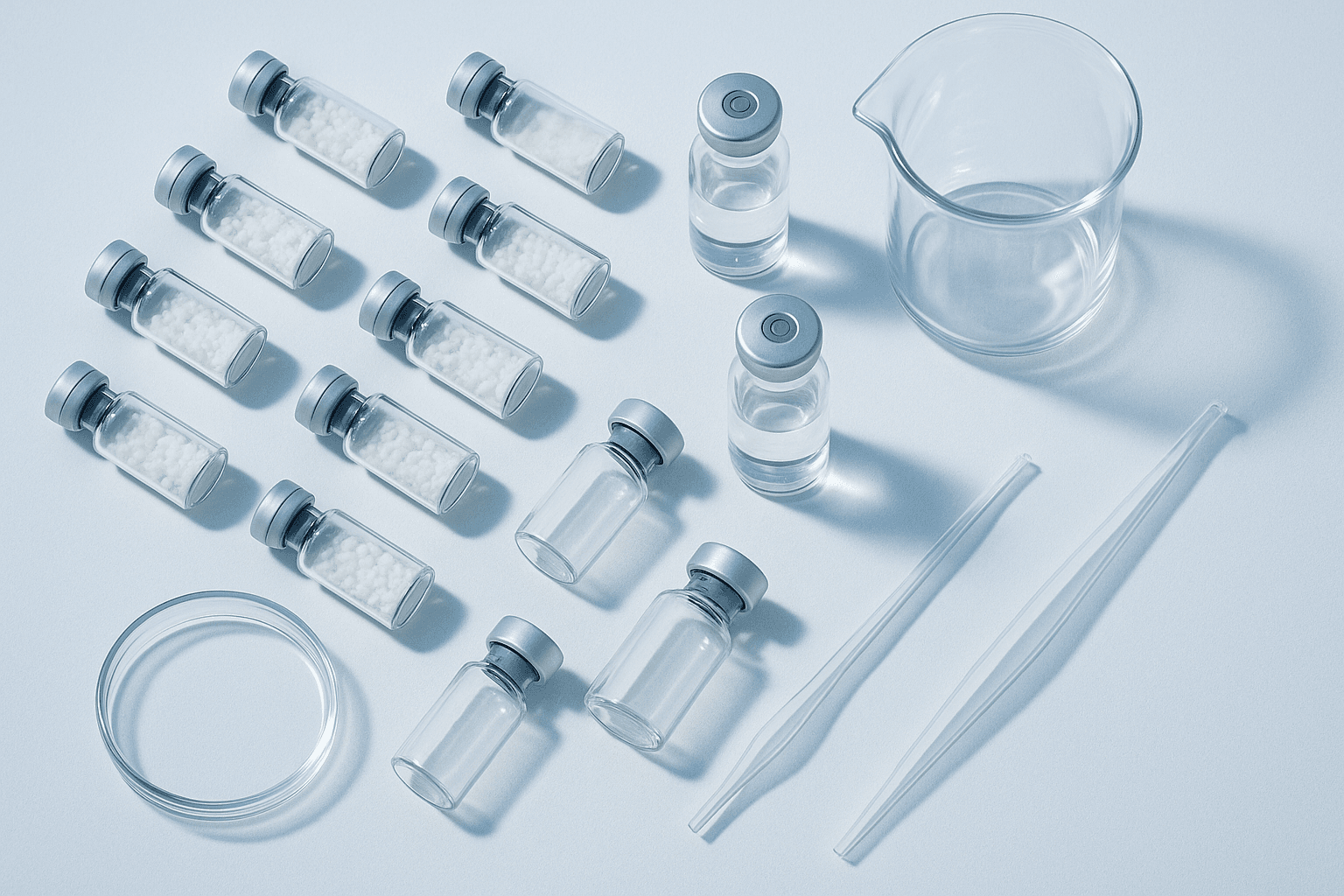
What Searching "Peptide Doctor Near Me" Actually Gets You in 2026
You type the search. You get a map pack of anti-aging clinics, a med spa that also does Botox, and maybe one functional medicine practice that lists peptides somewhere on its services page. None of them list prices. Two of them have a contact form that goes nowhere. This is the standard experience — and the gap between what a local clinic offers and what a well-structured telehealth program delivers has widened since 2024.
Here's what actually matters when you're trying to find a legitimate prescriber.
Why "Near Me" Increasingly Misses the Point
The geographic search made sense when peptide therapy required regular in-person injections supervised by a provider. That's largely not how this works anymore. Most peptides prescribed today — sermorelin, BPC-157, CJC-1295, ipamorelin — are self-administered subcutaneously at home, the same way insulin-dependent patients have managed injections for decades. The clinical interaction is the consultation, the bloodwork review, and the dosing adjustment — all of which can happen over video.
What local searches surface is overhead. A physical clinic in a metropolitan area carries real estate, front-desk staff, and equipment costs that end up in your invoice. In mid-2026, a new-patient consultation at a functional medicine clinic in a major US city typically runs $250–$400 before any labs or prescriptions. Some charge monthly membership fees of $150–$300 on top of that. The same intake, done through a credentialed telehealth platform, often costs under $150 all-in.
What a Legitimate Peptide Prescriber Actually Does
The quality floor to look for isn't geography — it's clinical process. A real prescriber orders baseline labs before writing anything. For growth hormone secretagogues like sermorelin or CJC-1295, that means at minimum an IGF-1 level. The normal adult reference range for IGF-1 runs roughly 88–246 ng/mL depending on age and sex (Quest Diagnostics reference ranges, 2025 edition). A provider prescribing sermorelin without knowing your baseline IGF-1 is guessing.
Red flags that appear regularly in both local and online providers: no lab requirement before prescribing, no follow-up protocol after 90 days, compounded peptides shipped without a valid prescription from a licensed pharmacy, and flat-rate "peptide packages" that bundle peptides you may not need. The FDA's 2024 guidance on compounded peptides — specifically the removal of several peptides from the 503A/503B compounding categories — narrowed the legitimate supply chain. Any clinic still offering BPC-157 as an injectable prescription compound in the US is operating in a gray area the FDA has not clarified cleanly, regardless of what their website says.
What Telehealth Peptide Programs Actually Offer
The online peptide programs that have scaled since 2024 vary considerably in rigor. Some are glorified supplement shops with a physician attached. Others run full intake processes: medical history, lab review, async or synchronous provider consultation, then a structured protocol with check-ins.
System Labs structures programs around specific goals — body composition, recovery, longevity — with lab-based intake and tiered pricing starting around $199/month depending on the protocol. Yucca Health runs a similar model with a functional medicine framing, focusing on hormonal optimization alongside peptide protocols. Neither operates a physical clinic, which is the point: the clinical quality is comparable to or better than what most local "peptide doctors" offer, at lower cost.
One honest limitation: telehealth prescribing works well for maintenance protocols in healthy adults. If you have a complex condition, recent surgery, or active cancer history, in-person evaluation adds real value — not because the telehealth provider is incompetent, but because some cases genuinely need hands-on assessment.
How to Evaluate Any Clinic, Local or Remote
A few concrete filters that separate serious providers from marketing-forward operations:
Bloodwork requirement: Non-negotiable for growth hormone peptides. Optional but strongly preferred for peptides like BPC-157 where the mechanism is local rather than systemic.
Pharmacy source: Legitimate compounding should come from an FDA-registered 503A or 503B pharmacy. Ask for the pharmacy name and verify it against the FDA's registered compounding facility database — it's publicly searchable.
Dosing specificity: A credible protocol names the peptide, dose in mcg, frequency, and duration. Sermorelin, for reference, is typically prescribed at 200–500 mcg subcutaneously before bed, 5 days on / 2 days off. A provider who can't articulate this level of detail hasn't individualized your protocol.
Follow-up labs: Retesting IGF-1 at 12 weeks is standard practice for anyone on a growth hormone secretagogue. A clinic that doesn't build this into the protocol isn't managing outcomes — it's managing sales cycles.
The Local Clinic That's Worth Finding
Local still wins in one scenario: you want to build a relationship with a provider who will manage multiple aspects of your health — hormones, thyroid, metabolic markers — and adjust as you go. A good functional medicine physician or endocrinologist who understands peptide therapy and practices nearby is genuinely valuable. The problem is they're not common, and the map pack doesn't distinguish them from a med spa that added peptides to its menu six months ago.
The peptide clinics directory filters by specialty and protocol type, which gets you closer than a Google map search. Checking provider credentials (MD, DO, or NP with hormone specialization), whether they require labs, and what their compounding pharmacy relationships are will do more filtering work than proximity.
The Actual Takeaway
Whether the provider operates like a clinician or a salesperson is the only question that matters. Baseline labs, named pharmacy sources, specific dosing protocols, and follow-up testing are the markers that hold regardless of whether you're driving to an office or filling out a form on your phone. Most people who search "peptide doctor near me" end up in a telehealth program anyway. Starting there — with a platform that documents its clinical process — is usually the faster route to finding out whether any of this is right for you.
Peptide Clinic Finder is a comparison platform. The author may receive compensation if you sign up through links on our partner pages.