hormones
Testosterone Replacement Therapy for Men: What Your Lab Results Actually Mean and What a Real Protocol Costs in 2026
July 28, 2026
Affiliate disclosure: some links on this page are affiliate links and may earn us a commission at no extra cost to you — it never affects our rankings or reviews.
A man in his mid-forties books a blood panel expecting to confirm he's just tired from work stress. His total testosterone comes back at 312 ng/dL. His doctor says it's "within the normal range" — technically true, since most labs set the floor at around 270 ng/dL — and sends him home with a recommendation to sleep more. Six months later, he's still dragging, still losing muscle despite training four days a week, and now actively researching his options online. This is where most men entering the testosterone conversation actually start: not with a diagnosis, but with a number that qualifies as normal on paper while quality of life tells a different story.
What the Lab Range Doesn't Tell You
The conventional reference range for total testosterone in adult men is 270–1,070 ng/dL, but that spread is so wide it's nearly meaningless for clinical decisions. A man at 312 ng/dL and a man at 900 ng/dL both fall "within range," yet their physiology differs substantially. The more clinically useful question is where free testosterone sits — the fraction not bound to sex hormone-binding globulin (SHBG). Free T below 5.0 ng/dL (or 50 pg/mL depending on the assay) often correlates with symptoms even when total testosterone reads mid-range.
The Endocrine Society's 2018 clinical practice guideline on male hypogonadism recommends initiating TRT when total testosterone is consistently below 300 ng/dL and when the patient has at least three symptoms — low libido, fatigue, reduced muscle mass, poor concentration, or mood disruption. The "and" matters. Labs without symptoms, or symptoms without confirmed low labs on two separate morning draws, don't meet the clinical threshold for treatment.
The Formats Actually in Use in 2026
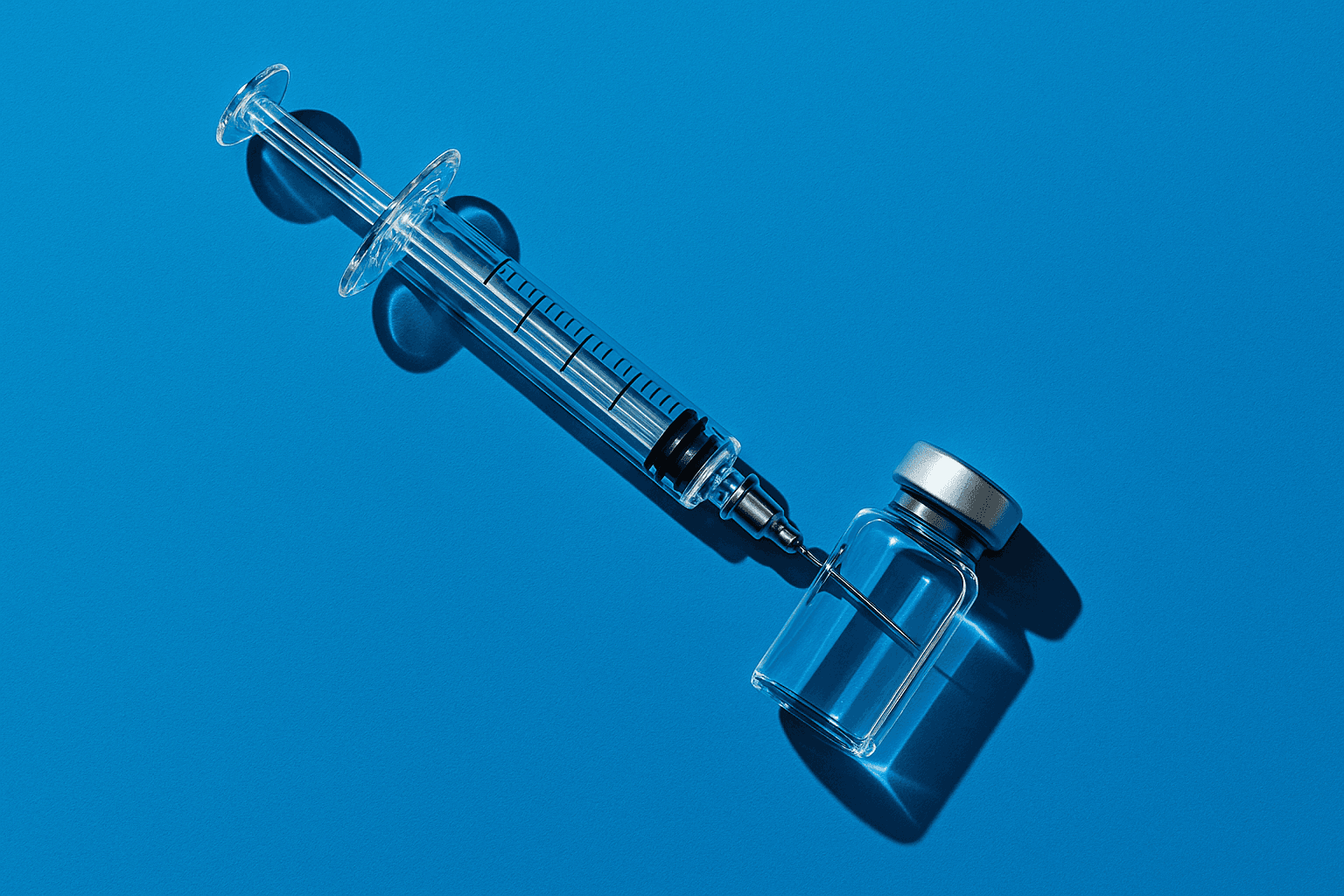
Injectable testosterone cypionate at 100–200 mg per week remains the most prescribed format in the US, largely because it costs $30–$80/month at compounding pharmacies, has decades of outcome data behind it, and allows straightforward dose adjustment. The tradeoff is mid-week peaks and end-of-week troughs that some men notice as mood variability.
Testosterone enanthate has essentially the same pharmacokinetics and is the standard in UK and European clinics where cypionate isn't available. Subcutaneous injection — typically into abdominal fat rather than muscle — has become the default delivery route at most dedicated men's health clinics because it produces more stable serum levels than intramuscular injection at equivalent doses.
Topical gels — AndroGel, Testim, and their generics — remain an option for men who are needle-averse, but absorption varies between users, and transfer risk to partners and children is a documented concern that frequently drives men to switch. Pellet implants placed subcutaneously in the upper buttock every 3–6 months cost $400–$700 per insertion and lack the dose flexibility that injectables provide.
What Gets Added to a Protocol
Straightforward testosterone monotherapy is rarer in dedicated men's health clinics than it was five years ago. Several adjuncts have become standard parts of many protocols:
Anastrozole: An aromatase inhibitor prescribed when estradiol climbs above roughly 40 pg/mL on TRT. Typical doses run 0.25–0.5 mg twice weekly. Some clinics prescribe it prophylactically — an approach most endocrinologists consider premature, because estradiol supports bone density, cognition, and libido, and suppressing it below 20 pg/mL creates a separate symptom cluster.
hCG or enclomiphene: Used to preserve testicular size and endogenous production, particularly in men who haven't ruled out future fertility. hCG at 500 IU twice weekly is a common starting point.
Peptide adjuncts: Clinics increasingly pair TRT with growth hormone secretagogues like ipamorelin or tesamorelin for men whose goals extend to body composition — specifically visceral fat reduction and lean mass support. Tesamorelin carries FDA approval for visceral fat reduction in HIV-associated lipodystrophy; its use in men on TRT is off-label but growing at hormone optimization clinics.
The Cost Reality in 2026
Men without employer coverage face a predictable cost structure. A TRT-only protocol — testosterone cypionate, syringes, and quarterly labs — runs $150–$300/month through most telehealth platforms. Full-panel quarterly monitoring covering total T, free T, estradiol, hematocrit, PSA, LH, and FSH adds $80–$150 out of pocket when not covered by insurance.
Platforms offering structured online hormone programs have compressed pricing since 2023 by bundling labs, consultations, and medication into flat monthly fees — System Labs is one example structuring this as an integrated monthly membership. The bundled model has improved accessibility, but it has also created commercial pressure to move men onto protocols quickly. Any platform that skips a second confirmatory morning draw before prescribing warrants scrutiny.
What Monitoring Actually Involves
Hematocrit is the monitoring metric men most commonly overlook. Testosterone stimulates red blood cell production, and hematocrit above 54% substantially raises cardiovascular risk — a threshold the FDA flags specifically on injectable testosterone product labels. Men with baseline hematocrit above 48% before starting TRT need monitoring every 6–8 weeks during the first six months, not the standard quarterly schedule.
PSA monitoring every 6–12 months for men over 40 isn't about whether TRT causes prostate cancer — the current data doesn't support that association — but about establishing a baseline and catching rapid rises that may indicate pathology that predated treatment.
The Practical Takeaway
If total testosterone is below 400 ng/dL and symptoms are present, a second morning draw with a full panel — free T, SHBG, estradiol, LH, FSH — is the required next step before anything else. A single result at 312 ng/dL doesn't confirm hypogonadism. Starting a protocol on one number is how men end up on TRT indefinitely when the underlying driver was sleep apnea or hypothyroidism.
Once labs confirm the picture, the format question is secondary to finding a provider who monitors hematocrit and estradiol consistently — not one who writes a script and checks in once a year. Use the find a hormone clinic directory to filter by treatment focus and compare monitoring protocols before committing.
Peptide Clinic Finder is a comparison platform. The author may receive compensation if you sign up through links on our partner pages.