glp1
GLP-1 Alternatives That Actually Work: A Clear-Eyed Look at the Numbers
June 29, 2026
Affiliate disclosure: some links on this page are affiliate links and may earn us a commission at no extra cost to you — it never affects our rankings or reviews.
When the Injection Isn't the Answer: Real Alternatives to GLP-1 Weight-Loss Medication
You've been quoted $1,200 a month for a GLP-1 medication program, your insurance denied the claim, and the compounding pharmacy your friend used just got a cease-and-desist. Meanwhile, you've lost 4 pounds in six weeks through diet changes and you're wondering whether you were ever the right candidate for the injection in the first place. This is the position millions of Americans found themselves in throughout 2025 and into 2026 — not anti-medication, just priced out, supply-constrained, or simply looking harder at what else actually works.
Why People Are Looking Elsewhere
GLP-1 therapy produced trial results that are genuinely hard to dismiss. The STEP 1 trial (Wilding et al., 2021, NEJM, n=1,961) showed participants losing an average of 14.9% of body weight over 68 weeks — a number that made every other weight-loss intervention look modest by comparison. But those results came attached to a prescription, ongoing monitoring, and a monthly cost that, depending on the program, ranges from $299 to well over $1,000 in mid-2026. For people who can't sustain that cost, or who stopped after 12 months and regained weight rapidly, the question becomes: what now?
Alternatives aren't a consolation prize. Several are grounded in decent clinical evidence. None of them produce 15% body-weight loss in 68 weeks, and you should know that going in.
Dietary Approaches With Actual Numbers Behind Them
Low-carbohydrate and ketogenic diets continue to outperform low-fat diets on short-term weight loss in most head-to-head trials. A 2022 meta-analysis in Nutrients found that very-low-carbohydrate diets (under 50g carbs/day) produced approximately 2–4 kg more weight loss than low-fat comparators over six months. That's roughly 4–8 pounds — modest, but meaningful for someone managing metabolic markers like fasting glucose or triglycerides simultaneously.
Time-restricted eating (typically an 8-hour feeding window) has accumulated a reasonable evidence base for people who find calorie counting unsustainable. Its effect size for weight loss alone is small — roughly 1–2% of body weight in most trials — but adherence tends to be higher than traditional calorie restriction, which matters more than the effect size on paper.
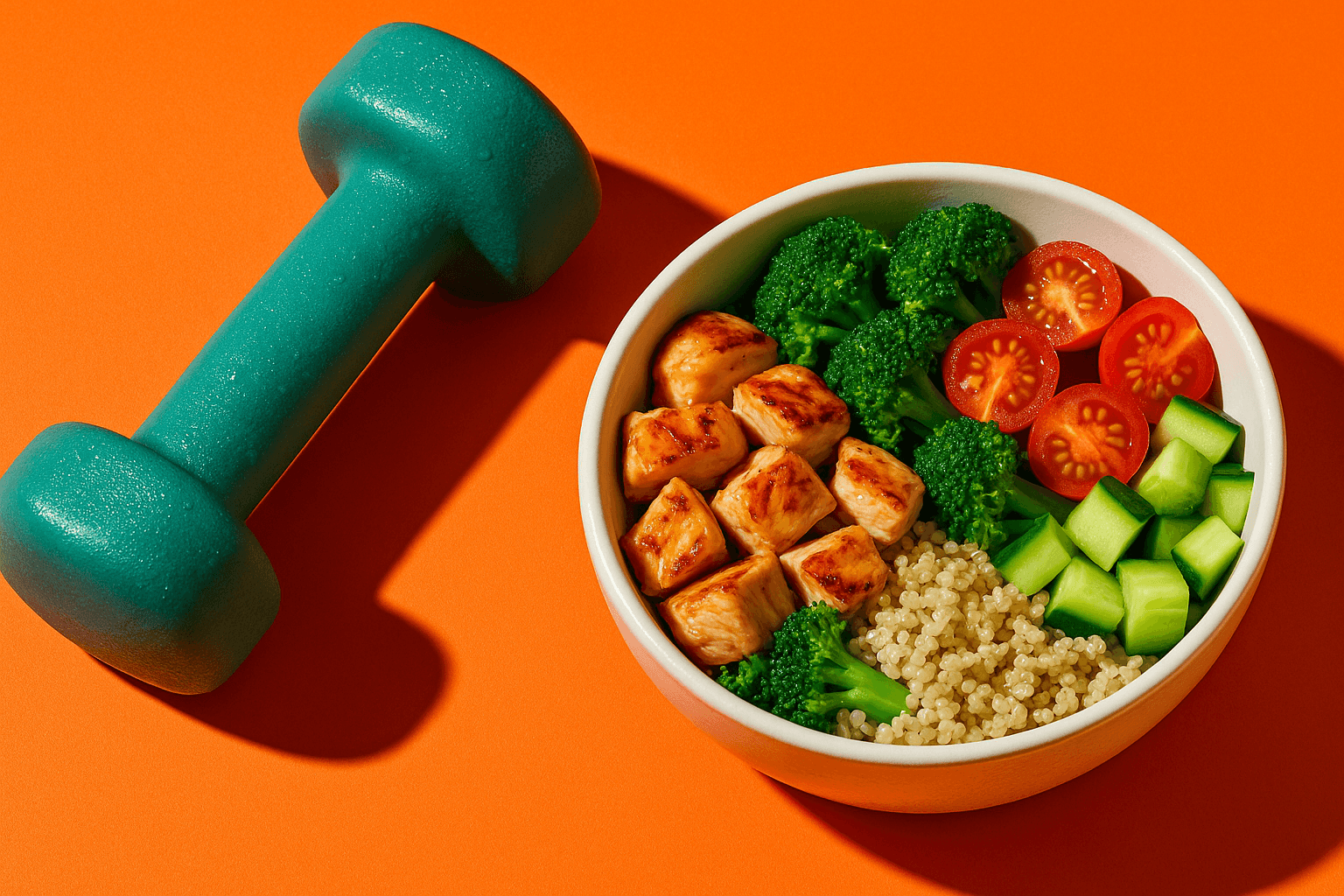
Protein intake is the underrated lever. A target of 1.6–2.2g per kg of body weight daily — the range supported by the International Society of Sports Nutrition's 2017 position stand — reduces hunger, preserves lean mass during a deficit, and produces better body composition outcomes than lower-protein approaches even at identical calorie levels.
Exercise: What It Does and Doesn't Do
People overestimate exercise as a weight-loss tool and underestimate it as a weight-maintenance tool. A 45-minute moderate-intensity session burns roughly 300–500 calories depending on body weight and intensity — easy to undo in one snack. Resistance training, specifically, has a compounding effect on metabolic rate and insulin sensitivity that dietary changes alone don't replicate.
The ACSM guidelines recommend 150–250 minutes of moderate-intensity exercise weekly for weight loss, and note that exceeding 250 minutes per week is associated with clinically significant weight loss in some studies. The specificity matters: walking 20 minutes three times a week (60 minutes total) is well below the threshold at which exercise alone moves the scale.
Peptide Options That Aren't GLP-1 Agonists
The GLP-1 conversation has overshadowed a category of peptides with different mechanisms and lower cost profiles. Tesamorelin and CJC-1295 (both GHRH analogues) are used in weight-loss adjacent protocols primarily for reducing visceral adiposity rather than driving total weight loss — they work by stimulating growth hormone release rather than suppressing appetite. Neither produces GLP-1-scale total weight loss, but they're used by people whose primary concern is abdominal fat and body composition rather than a specific number on the scale.
Peptide programs vary significantly in how these are prescribed and monitored. A direct comparison of best online GLP-1 programs is useful for understanding how GLP-1 options are packaged — a helpful baseline even if you're leaning toward non-GLP-1 peptides.
Behavioural and Pharmacological Support That Doesn't Require an Injection
Naltrexone-bupropion (brand name Contrave, FDA-approved 2014) produces average weight loss of about 5% of body weight at one year — less dramatic than GLP-1 therapy, but typically $75–$150 per month with discount programs. It's a rational option for people with a binge-eating component to their weight gain, as the naltrexone element specifically targets reward-based eating.
Orlistat, the longest-approved weight-loss medication in the US, produces approximately 5–7 lbs more weight loss than placebo over one year in trials, with well-documented GI side effects that make adherence difficult for a meaningful share of patients. Its mechanism — blocking fat absorption — makes it incompatible with a high-fat diet, which eliminates it as an option for people on ketogenic protocols.
For a concrete look at how differently structured telehealth programs handle pricing and medication options, a side-by-side comparison of Eden vs Ro provides useful context even for people not currently choosing GLP-1 therapy.
For broader browsing across clinics oriented toward weight management, the weight loss clinics directory covers telehealth and in-person providers across a range of approaches.
The Honest Takeaway
Nothing currently available without a GLP-1 prescription comes close to producing 14.9% body-weight loss in under 18 months. If that's the target, alternatives are a bridge at best. But for the substantial number of people whose actual goal is 10–20 pounds, improved metabolic markers, or better body composition rather than a specific scale number, the combination of high-protein eating (1.6–2.2g/kg/day), structured exercise at or above 150 minutes per week, and potentially a non-injectable medication such as Contrave or a GHRH peptide protocol can get there — at a fraction of the cost and without supply-chain uncertainty. The framing that medications are the serious option and everything else is folk wisdom isn't accurate; it's a marketing posture the evidence doesn't fully support.
Peptide Clinic Finder is a comparison platform. The author may receive compensation if you sign up through links on our partner pages.