peptides
How to Evaluate Peptide Therapy Clinics Near You (Without Getting Burned by a Script Mill)
May 15, 2026
Affiliate disclosure: some links on this page are affiliate links and may earn us a commission at no extra cost to you — it never affects our rankings or reviews.
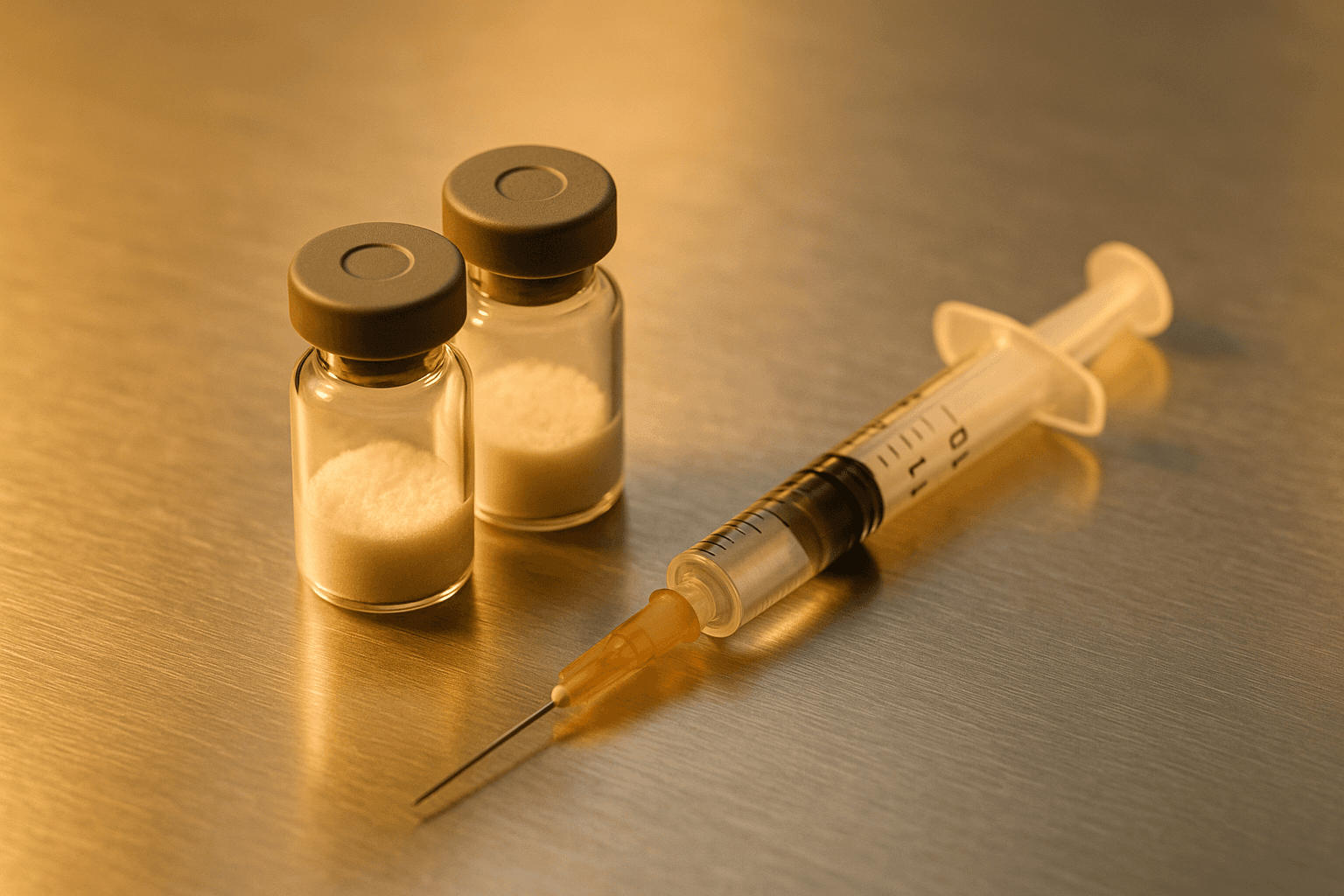
How to Actually Evaluate a Peptide Therapy Clinic Near You
You've done the research, you have a protocol in mind — maybe BPC-157 for a nagging tendon injury, or a growth hormone secretagogue stack for body composition — and now you're trying to figure out which local clinic is worth your money and which is running a script-mill operation out of a telehealth portal. The problem isn't finding options. A basic search returns dozens. The problem is that the quality signals are genuinely hard to read from the outside, and the clinics with the best SEO are not necessarily the ones with the most rigorous medical oversight.
Here's how to cut through it.
The Geographic Reality of Peptide Clinics
Most peptide therapy is now delivered via compounding pharmacies and telehealth, which means "near me" matters less than it did five years ago. That said, in-person clinics remain valuable for two specific scenarios: initial labs and physical assessment, and injectable training for patients who haven't self-administered before.
If you want a genuine in-person option, you're most likely to find dedicated peptide or longevity clinics in metro areas with established medical tourism infrastructure — Miami, Austin, Scottsdale, Denver, and the larger California cities. Smaller markets typically have a handful of functional medicine or men's health clinics that offer peptides as one service among many, not as a specialty. For a searchable list of vetted facilities by region, the peptide clinics directory is the most organised starting point.
What the Price Range Actually Looks Like
Budget expectations drive a lot of poor decisions in this space. Clinics that price dramatically below market are cutting corners somewhere — usually at the compounding pharmacy level, the prescribing oversight level, or both.
A reasonable benchmark: sermorelin monotherapy through a legitimate clinic runs roughly $150–$300 per month depending on dose and sourcing. A CJC-1295/Ipamorelin combination protocol typically falls in the $200–$400/month range. BPC-157 for an injury application runs $80–$180 per cycle depending on whether it's oral or injectable and the dose used — common injectable ranges are 250–500 mcg/day. Initial consultation and lab work adds another $150–$400 depending on panel comprehensiveness.
A "starter kit" advertised at $99/month for a GH secretagogue stack warrants direct scrutiny about compounding pharmacy accreditation. The FDA has issued warning letters to compounding facilities including Empower Pharmacy (2021) and multiple unnamed 503A facilities for substandard peptide preparations. PCAB accreditation or 503A/503B compliance are the credentials to ask about directly.
The Three Questions That Separate Serious Clinics from Script Mills
When you're evaluating a specific clinic — local or telehealth — three questions will do most of the filtering work:
Who reviews your labs before prescribing? A real clinic wants baseline IGF-1 (reference range typically 115–307 ng/mL for adults 30–50), fasting glucose, and a metabolic panel before starting any GH axis peptide. If a clinic is willing to prescribe CJC-1295 after a 10-minute video call with no labs, that's a clinical red flag, not a convenience feature.
Which compounding pharmacy do they use? Legitimate clinics can name their pharmacy and confirm whether it's 503A or 503B compliant. If the answer is vague or the staff doesn't know, the peptides are likely coming from a grey-market supplier.
What does follow-up look like? Serious protocols involve a reassessment at 8–12 weeks minimum, with IGF-1 retesting for GH-axis peptides. A clinic that doesn't schedule follow-up is not monitoring for efficacy or safety — it's fulfilling orders.
Telehealth vs. Local: When It Actually Matters
For most peptide protocols, telehealth and local clinics produce comparable outcomes — the peptides are identical, and monitoring can be done through any lab draw facility. The calculus shifts in specific situations.
If you're dealing with a musculoskeletal application using BPC-157, a local provider who can assess the injury and potentially pair peptide therapy with other modalities is worth the higher cost. If you're starting injectable therapy for the first time, in-person injection training reduces technique errors that lead to suboptimal dosing or site reactions. For body composition, sleep quality, or general recovery protocols, a well-credentialed telehealth clinic is not a compromise.
The peptide therapy guides section covers protocol-specific logistics in more depth, including how to interpret lab results before and after a cycle.
Red Flags Worth Naming Specifically
Four patterns that should make you walk away:
Bundled "stacks" with no medical rationale. If a clinic is selling a five-peptide bundle without explaining why those specific compounds work together for your goals, the protocol is marketing, not medicine. A common offender: clinics packaging TB-500, BPC-157, sermorelin, ipamorelin, and NAD+ into a single "performance stack" with no intake assessment.
No physician of record. Some telehealth operations route prescriptions through a physician who has never reviewed your case. Ask specifically: "Will I have a named physician who reviews my labs and signs off on my prescription?" If the answer is unclear, the answer is no.
Research-grade sourcing. Peptides labelled "for research purposes only" are not legal for human use under FDA guidelines. Clinics that supply these to patients are operating outside the regulatory framework entirely — your risk, not theirs.
Pressure to pre-pay for six-month supplies. A legitimate clinic won't push you to commit to six months of product before you've established whether the initial protocol is working. This structure benefits cash flow, not patient outcomes.
The Actual Takeaway
The best local peptide clinic isn't necessarily the closest or the cheapest — it's the one that runs baseline labs, names its compounding pharmacy, and has a follow-up protocol that doesn't disappear after the first prescription. Apply those three criteria and you'll eliminate roughly 60% of the options in any market before making a single phone call.
Peptide Clinic Finder is a comparison platform. The author may receive compensation if you sign up through links on our partner pages.