hormones
Hormone Optimization for Men Over 40: What Actually Works (and What's Hype)
May 8, 2026
Affiliate disclosure: some links on this page are affiliate links and may earn us a commission at no extra cost to you — it never affects our rankings or reviews.
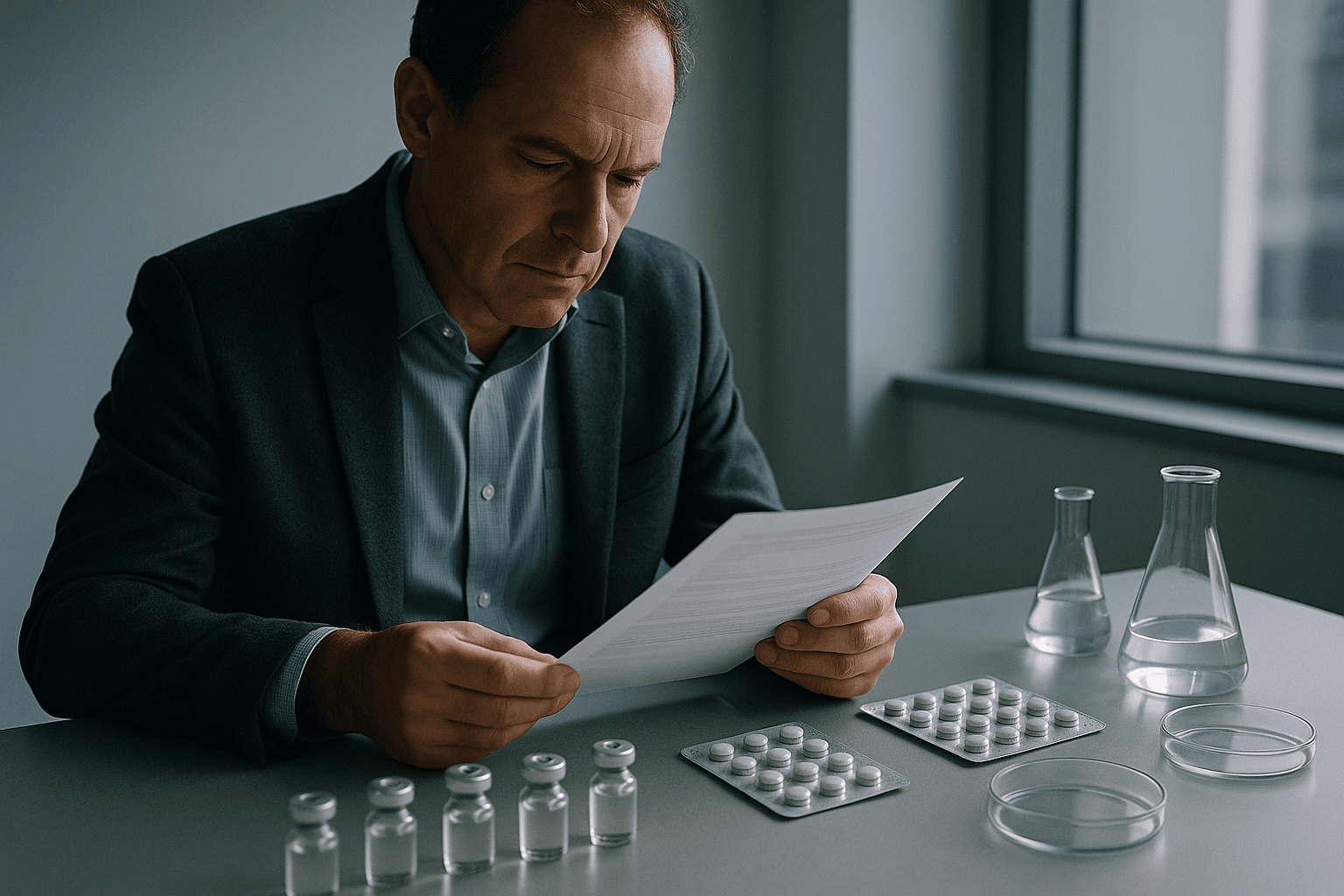
Hormone Optimization for Men Over 40: Understanding the Landscape
Most men don't give much thought to their hormones until something feels noticeably different. Energy dips lower than it used to. Recovery from workouts stretches longer. Sleep becomes harder to find. By the time a man hits 40, he's often noticed that the biological machinery that powered his thirties isn't running quite the same way. This experience isn't unusual—it's predictable biology. But understanding what's actually happening, and what options exist for addressing it, requires separating fact from marketing hype.
The Hormonal Reality of Midlife
Around age 30, testosterone levels begin a gradual decline of roughly 1% per year in most men. By 40, this shift becomes more noticeable. However, it's important to distinguish between normal age-related changes and clinical deficiency. Not every man needs intervention, and not every symptom is hormonal in origin.
Beyond testosterone, men over 40 experience changes in multiple hormonal systems. Growth hormone secretion decreases. Cortisol patterns may shift. Thyroid function can become less efficient. Insulin sensitivity often declines. Understanding these systems as an interconnected network, rather than isolated components, is essential for informed discussion about health and aging.
The key question most men face isn't "Should I optimize my hormones?" but rather "How do I know if optimization is appropriate for me?"
Common Reasons Men Seek Hormone Optimization
Men typically explore hormone-related healthcare when they experience specific concerns. Persistent fatigue despite adequate sleep, difficulty maintaining muscle mass despite consistent exercise, declining libido, mood changes, or trouble with concentration can all prompt someone to investigate their hormonal health.
It's worth noting that these symptoms can have many causes. Sleep apnea, thyroid dysfunction, depression, poor nutrition, excessive stress, or lack of exercise can produce identical symptoms. Before pursuing hormone optimization, comprehensive evaluation by a qualified healthcare provider is the necessary first step.
Understanding Your Testing Options
Baseline testing forms the foundation of any informed discussion about hormones. Standard tests typically include total testosterone, free testosterone, and sometimes sex hormone-binding globulin (SHBG). Depending on individual circumstances, providers might also assess luteinizing hormone (LH), follicle-stimulating hormone (FSH), prolactin, estradiol, and thyroid markers.
The challenge with testing is that normal ranges are broad, and "normal" doesn't always mean optimal for an individual. A man with a testosterone level of 350 ng/dL might feel dramatically different from one at 650 ng/dL, yet both fall within standard reference ranges. This is why working with providers experienced in interpreting these results in the context of an individual's symptoms and goals matters considerably.
The Range of Approaches Available
Approaches to hormone management vary widely. Some focus on lifestyle modification—sleep optimization, strength training, stress reduction, and nutrition adjustments. These foundational interventions can produce meaningful changes in hormone profiles and should typically be addressed first.
Others explore pharmaceutical or therapeutic options. The landscape includes various treatments, from oral medications to injections, to peptides that work through different mechanisms. If you're comparing providers who offer different therapeutic approaches, finding a hormone clinic that clearly explains their methodology and reasoning becomes important.
For men interested in learning more about specific treatment approaches and what different providers offer, hormone therapy guides can provide useful educational context. Understanding peptide-based approaches, for instance, requires different knowledge than understanding traditional pharmaceutical options—each has distinct mechanisms, timelines, and considerations.
Peptide Therapy: A Different Mechanism
One emerging area in hormone optimization involves peptide therapies. Unlike some traditional approaches that directly replace or stimulate hormones, certain peptides work by signaling your body's own systems to produce hormones more effectively.
Peptides like ipamorelin and tesamorelin operate through different biological pathways and are used for different purposes. Understanding how they work, what the current evidence shows, and how they fit into your particular situation requires detailed conversations with knowledgeable providers. This is genuinely specialized territory, and not all clinicians have equivalent expertise.
Finding Quality Providers
The growth in hormone optimization clinics has been dramatic. This has expanded access but also created a quality spectrum. Some clinics employ careful diagnostic protocols and evidence-based approaches. Others prioritize sales and promise more dramatic results than science supports.
When evaluating providers, look for those who:
- Require comprehensive baseline testing and detailed medical history
- Take time to discuss risks, limitations, and realistic timelines
- Clearly explain their protocols and the reasoning behind them
- Monitor progress objectively rather than assuming all patients need the same dosing
- Are transparent about costs and outcomes
Comparing multiple hormone optimization clinics can help you understand the variation in approaches and philosophy across the field.
The Cost Conversation
Hormone optimization exists on a cost spectrum. Some approaches are relatively affordable. Others can become expensive, particularly if they involve ongoing peptide therapies or frequent monitoring. Understanding what you're paying for—whether it's initial evaluation, medication, ongoing bloodwork, or coaching services—helps clarify the actual investment required.
Conclusion: Making Your Own Informed Decision
Hormone optimization for men over 40 isn't inherently good or bad. It's a tool that can be appropriate for some men in some circumstances when pursued thoughtfully. What matters is approaching it with realistic expectations, quality medical guidance, and honest assessment of whether intervention actually addresses your specific situation.
Start with comprehensive evaluation. Consider lifestyle factors first. Research your options thoroughly. Work with providers who explain their reasoning clearly. And maintain healthy skepticism toward anyone promising dramatic transformations or suggesting that everyone needs the same solutions.
Your hormones are one piece of your health. They're worth understanding, but not in isolation from sleep, nutrition, movement, stress management, and mental health. Hormone optimization works best as part of a broader health strategy, not as a replacement for it.
The author is affiliated with Peptide Clinic Finder, a platform that helps individuals compare hormone and peptide therapy providers.