peptides
Peptide Therapy for Anti-Aging: Separating Science from Hype
April 29, 2026
Affiliate disclosure: some links on this page are affiliate links and may earn us a commission at no extra cost to you — it never affects our rankings or reviews.
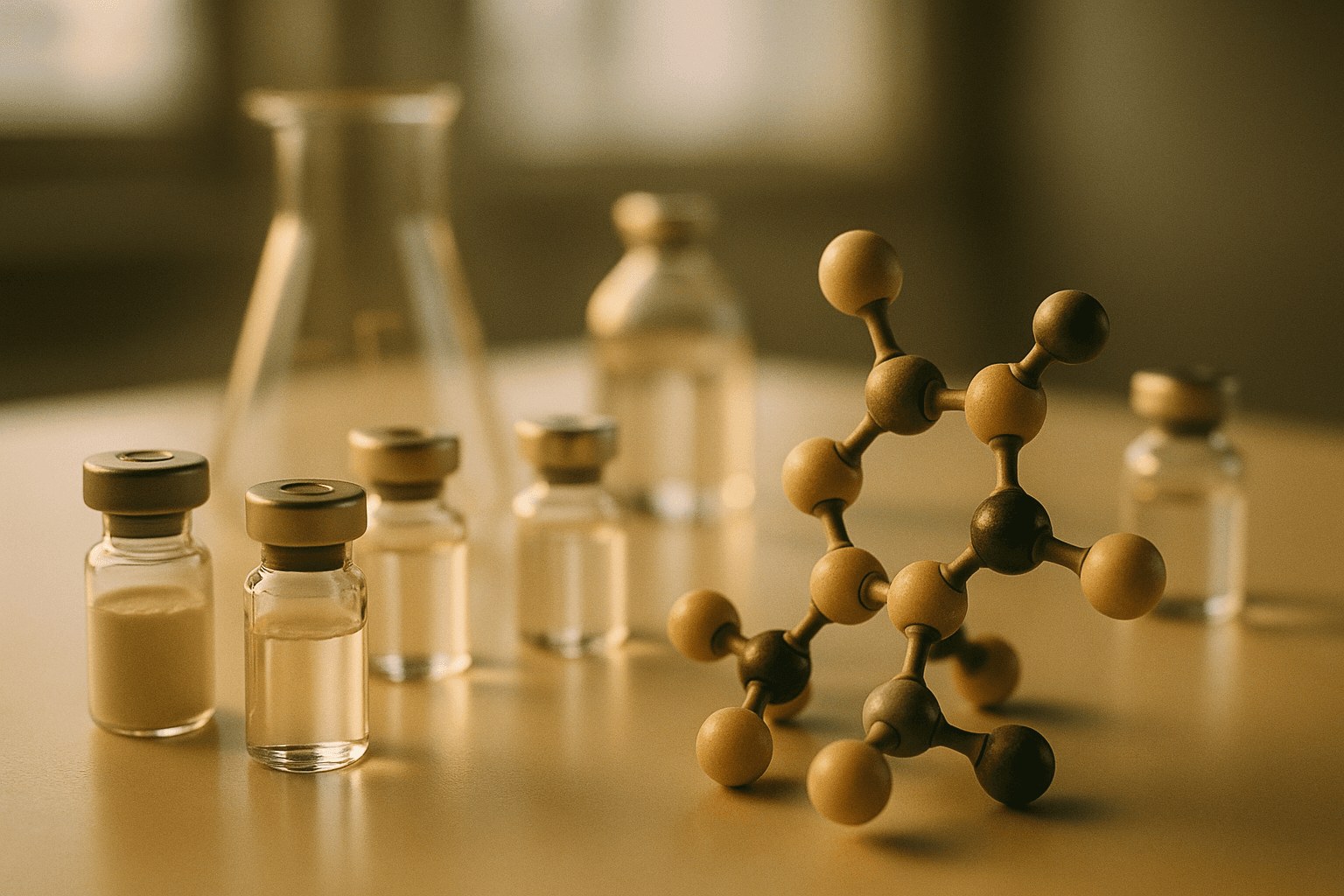
The Science Behind Peptide Therapy for Anti-Aging: What Research Actually Shows
The wellness industry promises many paths to youth. Some involve expensive creams. Others require strict diets. But a growing number of people are turning to peptides—small chains of amino acids that perform specific biological functions—in hopes of slowing aging and extending healthy lifespan. Unlike many anti-aging trends, peptide therapy has genuine scientific foundations. Yet the field remains young, with many claims still outpacing evidence. Understanding what peptides actually do, what research supports, and what remains speculative is essential before considering whether this approach might be relevant to you.
What Are Peptides and How Do They Work?
Peptides are short sequences of amino acids—the building blocks of proteins. What makes peptides distinct from proteins is their size: peptides typically contain fewer than 50 amino acids, while proteins contain more. This smaller size is significant because it affects how they behave in the body, including how easily they can penetrate cell membranes and cross biological barriers.
In the context of anti-aging and longevity, peptides function as signaling molecules. They interact with receptors on cells, effectively telling those cells to perform specific functions. Different peptides target different systems: some influence growth hormone production, others affect immune function, still others support muscle maintenance or skin health. This specificity is what makes peptide research compelling—unlike a broad-spectrum supplement, a particular peptide theoretically affects particular biological processes.
The appeal lies in the precision. Rather than hoping that general lifestyle changes address aging, peptide proponents argue that targeted peptide interventions can address specific mechanisms of aging at the cellular level.
The Aging Process and Peptide Theory
Aging involves multiple interconnected processes: cellular senescence (cells stop dividing and accumulate), mitochondrial dysfunction (energy production declines), telomere shortening (protective caps on chromosomes wear down), and dysregulation of hormone signaling. Peptide researchers have focused on several of these mechanisms.
Growth hormone, for instance, declines with age. Some peptides are designed to stimulate growth hormone release, with the theory that restoring levels closer to youth might preserve muscle mass, bone density, and metabolic function. Collagen peptides have gained attention for skin health, based on the idea that supplemental collagen can support skin structure and elasticity. Immune peptides, derived from thymus tissue or synthesized to mimic immune factors, aim to strengthen age-related immune decline.
The theoretical foundation is reasonable. The challenge is translating theory into consistent, reproducible human evidence.
What Current Research Shows
Research on peptide therapy exists on a spectrum. Some peptides have substantial clinical data. Collagen peptides, for example, have multiple peer-reviewed studies showing improvements in skin elasticity and hydration in human participants. Growth hormone-releasing peptides show measurable effects on growth hormone levels in controlled studies, though long-term safety and optimal dosing remain areas of investigation.
Other peptides have more limited human data. Many studies have been conducted in cell culture or animal models, which cannot be directly extrapolated to human outcomes. Additionally, much published research comes from relatively small sample sizes or lacks long-term follow-up. This doesn't mean the research is invalid—early-stage investigation is necessary—but it does mean conclusions should be tentative.
The honest assessment is that while peptides show biological activity and some show promise for specific applications, the evidence for dramatic anti-aging effects in humans remains emerging rather than established. A single peptide has not been proven to extend human lifespan or substantially reverse aging, though several show potential for addressing specific age-related changes.
Peptide Therapy Options and Considerations
If someone is interested in exploring peptide therapy, the options vary significantly in terms of regulation, cost, and available support. Some peptides can be prescribed through medical providers, particularly those practicing functional or anti-aging medicine. Others are available through online channels with varying levels of oversight.
The cost varies widely depending on the peptide, dosage, and source. Understanding pricing and comparing available options is important, as is evaluating the medical oversight involved. Some practitioners offer comprehensive protocols including bloodwork and monitoring, while others provide minimal support. When researching providers, you can explore comparisons of different options—for instance, comparing various GLP-1 providers or investigating the landscape of peptide therapy cost to understand what support and oversight different clinics offer.
The route of administration matters too. Some peptides are injected, others are intranasal, and some are oral. Each affects bioavailability (how much actually enters circulation) and convenience.
Safety, Side Effects, and Unknowns
Peptides derived from naturally occurring signaling molecules generally have low toxicity profiles. However, this doesn't mean they're without effects or concerns. Common reported side effects include injection site reactions, temporary increases in appetite, or changes in energy levels—though severity varies individually.
Longer-term safety data on many peptide therapies remains limited. Because peptides are relatively new to mainstream wellness, we don't have 10+ year safety studies on many compounds. This doesn't mean they're unsafe; it means we're still gathering the safety record.
Individual response varies significantly. Someone might see clear improvements in one area while experiencing no change in another. Genetics, lifestyle, age, and existing health status all influence outcomes.
The Gap Between Promise and Evidence
The peptide field occupies an interesting space between legitimate science and overstated marketing. Real biological effects exist—that's established. But the leap from "peptide X affects marker Y in a human trial" to "peptide X will slow your aging significantly" requires caution.
This gap is partly why exploring options carefully matters. If you're considering peptide therapy, evaluating provider credentials, seeking transparency about what evidence actually exists for specific claims, and understanding what monitoring will be involved all matter. Resources comparing providers or investigating the full cost picture, including both the peptide itself and associated medical oversight, can help inform that evaluation.
Conclusion
Peptide therapy for anti-aging represents a fascinating intersection of molecular biology, aging research, and wellness innovation. The science is real, but it's also still developing. Some peptides show genuine promise for specific applications. Others remain largely theoretical in humans. The most honest assessment is that peptide therapy is a legitimate research area with real potential—but not a proven fountain of youth.
If you're considering this approach, the quality of the information and oversight you receive matters enormously. Reliable guidance, transparent discussions of evidence, and realistic expectations are your best tools for deciding whether peptide therapy is relevant to your personal health goals.
I am affiliated with Peptide Clinic Finder, which helps readers compare peptide therapy providers.