hormones
Hormone Optimization for Men Over 40: What the Evidence Actually Shows
April 29, 2026
Affiliate disclosure: some links on this page are affiliate links and may earn us a commission at no extra cost to you — it never affects our rankings or reviews.
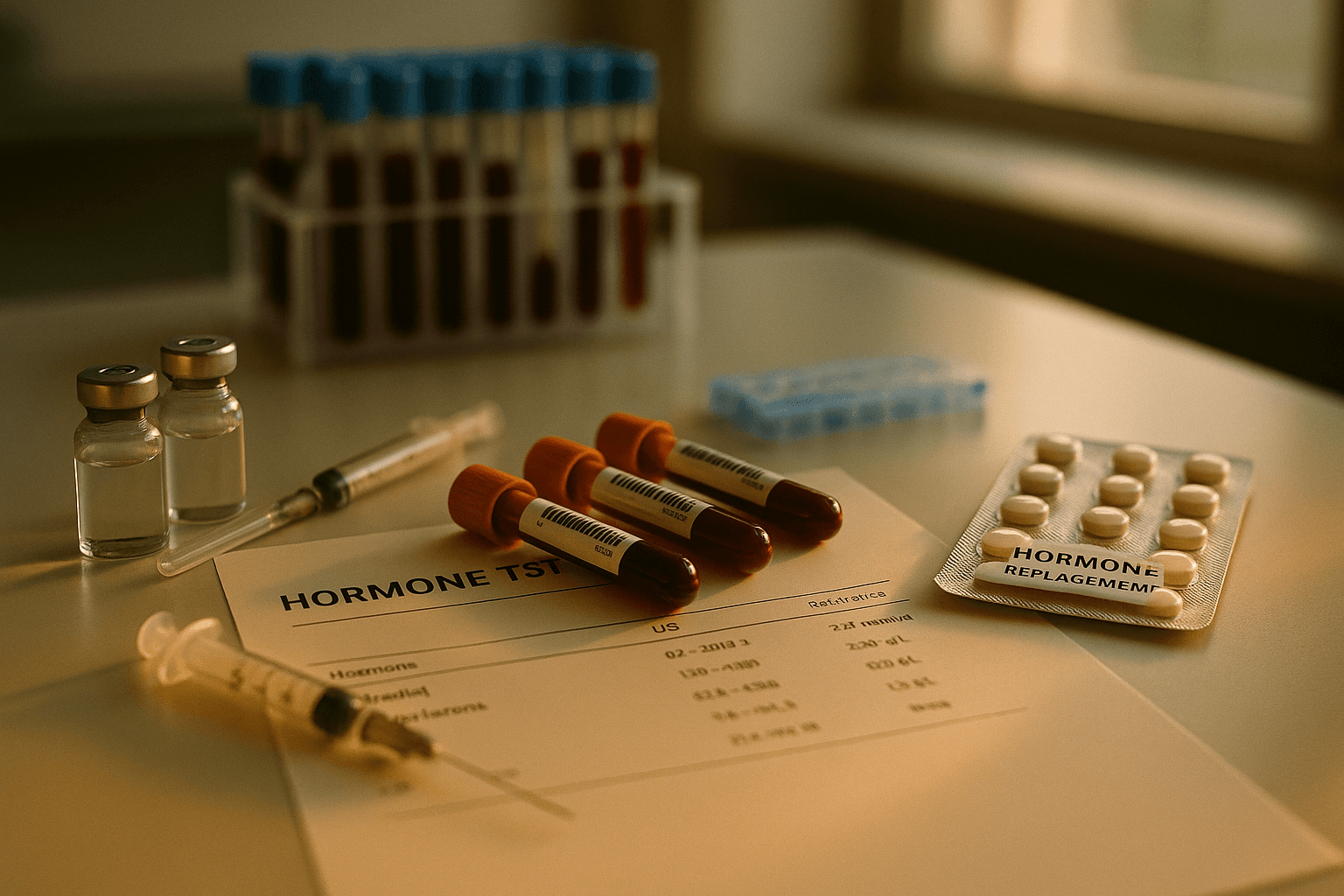
Hormone Optimization for Men Over 40: Understanding the Conversation
By your mid-40s, you've probably noticed changes: less energy at the gym, shifts in mood, or that extra weight that won't budge despite the same routine. Your first instinct might be to blame age itself, but the real culprit could be hormonal. While hormone fluctuations are a natural part of aging for everyone, men often overlook them—or dismiss them as inevitable. Yet millions are now exploring hormone optimization, a field that sits at the intersection of preventive health, performance enhancement, and genuine medical need. Understanding what this actually means, how it works, and what the evidence suggests can help you make informed decisions about your own health.
What Happens to Male Hormones After 40?
Testosterone, the hormone most associated with male health, naturally declines by about 1% per year starting around age 30. By 40, some men notice meaningful changes; by 60, the cumulative effect can be significant. But testosterone isn't the only player. Thyroid hormone, cortisol, growth hormone, and estrogen all shift with age and significantly influence energy, metabolism, muscle mass, mood, and sexual function.
These changes aren't uniform. Some men experience dramatic shifts; others maintain stable levels well into their 80s. Genetics, lifestyle, stress, sleep quality, and body composition all influence how your hormonal profile evolves. This individual variation is precisely why hormone optimization has become a conversation rather than a one-size-fits-all medical protocol.
The Medical Versus Enhancement Distinction
A critical distinction exists between treating clinically low hormone levels (a medical condition) and optimizing hormones to achieve higher-than-normal levels (performance or aesthetic enhancement). These aren't the same thing, legally or physiologically.
Testosterone replacement therapy, for instance, is established medical treatment when levels are genuinely deficient and causing symptoms. But some clinics and individuals pursue hormone optimization aimed at achieving levels in the upper-normal or supra-physiological range without diagnosed deficiency. The evidence supporting benefits at these higher levels is much thinner, and the potential downsides less explored.
Understanding where you fall on this spectrum—whether you're addressing a genuine deficiency, optimizing normal-but-suboptimal levels, or pursuing enhancement—changes the conversation considerably.
Comprehensive Testing: The Starting Point
Any serious discussion about hormone optimization begins with comprehensive testing. A single testosterone blood test tells you one number, but context matters enormously. Your total testosterone might be "normal" while your free testosterone—the biologically active form—is low. Your testosterone might be adequate, but your thyroid function could be undermining your energy levels.
A thorough hormonal assessment typically includes:
- Testosterone (total and free)
- Estradiol
- Thyroid panel (TSH, T3, T4)
- Cortisol
- Growth hormone markers
- Lipid panels and metabolic markers
- Potentially other hormones depending on symptoms
Testing quality varies significantly between clinics. Some providers order comprehensive panels; others work from minimal data. Understanding what markers you're actually measuring provides crucial insight into whether recommendations that follow are evidence-based or speculative.
Common Interventions and Their Evidence Base
The landscape of hormone optimization interventions is broad, and evidence quality varies dramatically.
Testosterone replacement has decades of clinical data for deficient men, with established benefits for muscle mass, bone density, sexual function, and mood. For men within normal ranges, evidence is much sparser.
Peptides and growth hormone secretagogues represent an increasingly popular frontier. These compounds are marketed for muscle gain, fat loss, and longevity support, but clinical evidence in aging men remains limited. The regulatory status of many peptides also remains murky in many jurisdictions.
Lifestyle modifications—adequate sleep, strength training, stress management, and nutrition—have perhaps the most robust evidence for improving hormonal health. Yet they're often mentioned as afterthoughts, despite being foundational.
Thyroid support, whether through supplementation or medication, addresses a common and underdiagnosed issue in men over 40. Hypothyroidism is relatively straightforward to identify and treat, with clear clinical evidence.
The honest reality: some interventions have strong evidence; many others remain experimental or are promoted based on theoretical potential rather than proven outcomes in healthy aging men.
The Clinic Landscape: What to Expect
The explosion of hormone optimization clinics reflects genuine patient demand, but it's also created a landscape with varying levels of rigor. Some clinics operate at the frontier of evidence-based medicine, employing rigorous testing and transparent risk discussion. Others market aggressively around lifestyle benefits without adequate medical oversight.
When evaluating clinics, key questions include:
- Do they require comprehensive baseline testing before recommendations?
- Are providers medical doctors, nurse practitioners, or coaches?
- Do they discuss potential downsides and monitor for them?
- Are recommendations individualized or cookie-cutter?
- What's their actual expertise—do they specialize in this area?
If you're interested in comparing approaches to specific interventions like GLP-1 medications or peptide therapies, resources like comparison platforms for GLP-1 providers can help you understand the range of clinic practices and pricing models. Similarly, investigating peptide therapy costs across providers reveals how much variation exists in this emerging field.
Risk, Monitoring, and Realistic Expectations
Every intervention carries tradeoffs. Testosterone replacement, when administered without proper monitoring, can increase hematocrit, affect lipid profiles, or reduce fertility. Peptides have a limited safety database in humans. Thyroid medication requires proper dosing to avoid over-replacement.
Realistic expectations matter. Hormone optimization can meaningfully improve energy, body composition, mood, and sexual function—but it won't reverse aging or replace the fundamentals of good health. It works best as part of a comprehensive approach that includes strength training, adequate sleep, stress management, and good nutrition. Any provider suggesting otherwise is overstating the evidence.
The Financial Reality
Hormone optimization rarely falls under insurance coverage. Direct costs for testing, consultations, and medications or peptides can range significantly. Being transparent about costs—rather than having them emerge after initial consultations—is a sign of a more trustworthy clinic.
Conclusion
Hormone optimization for men over 40 isn't inherently problematic or beneficial—it depends entirely on whether you're addressing a genuine health issue with evidence-based interventions, whether you're being monitored appropriately, and whether the approach integrates with rather than replaces foundational health practices. The conversation is worth having if you're experiencing symptoms that affect quality of life, but it's worth having with genuine curiosity about evidence rather than hope for a pharmaceutical shortcut to health.
The field is evolving rapidly. New research emerges regularly, and our understanding of optimal hormonal health in aging men will continue to shift. Starting from a place of honest assessment—testing, expert evaluation, and clear-eyed discussion of what's proven versus promising—puts you in the best position to make decisions that align with your actual health goals.
Disclosure: Peptide Clinic Finder earns affiliate commissions from some clinic partners mentioned in this article.